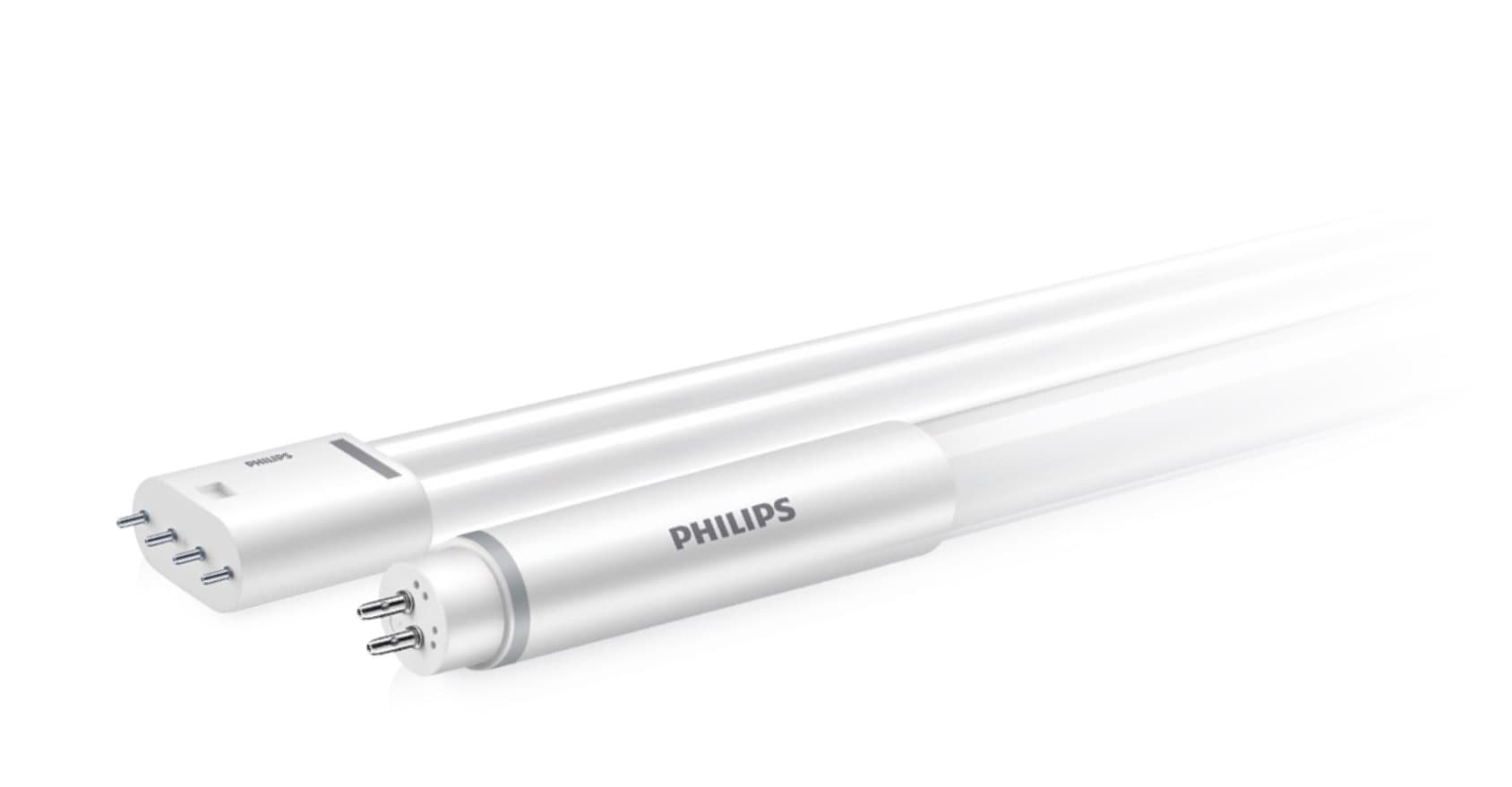
Minnesota's Fluorescent Lamp Ban Is No Longer on the Horizon — It's Here
For facility managers, property owners, and operations leaders across Woodbury and the broader east metro region, January 1, 2026 marked a turning point in how commercial buildings are lit and maintained. Under Minnesota's Clean Lighting legislation, the phased ban on mercury-containing fluorescent lamps is now fully in effect — and the supply chain consequences are already being felt.
This isn't a distant regulatory concern. It's an operational reality that affects offices in Woodbury's thriving commercial corridors, warehouses along the I-494 and I-94 corridors, retail centers, schools in the South Washington County School District, and healthcare and professional service facilities that define this community's character as one of the fastest-growing cities in the Twin Cities metro.
Understanding the details of the ban — and acting deliberately rather than reactively — is the difference between a planned upgrade and an emergency scramble.
What the Ban Actually Prohibits: A Clear-Eyed Look at the Two Phases
Minnesota's Clean Lighting law rolled out in two distinct stages, and it's important for building operators to understand exactly which products are now off the table:
- Phase 1 (effective January 1, 2025): Bans the sale, offer for sale, or distribution of screw- or bayonet-based compact fluorescent lamps (CFLs). These are the spiral-shaped bulbs commonly found in fixtures throughout offices, common areas, and smaller commercial spaces.
- Phase 2 (effective January 1, 2026): Bans pin-based linear fluorescent lamps — including the ubiquitous T5, T8, and T12 tubes — as well as pin-based CFLs. This is the category that most directly affects commercial, industrial, and institutional buildings throughout the Woodbury area.
What this means in practice: You may continue operating with existing fluorescent lamps already installed in your building. But when those lamps burn out, replacements cannot legally be purchased from Minnesota distributors. For buildings with dozens or hundreds of fluorescent fixtures — think a corporate campus off Radio Drive, a medical office building near Woodwinds Health Campus, or a warehouse facility near Tamarack Road — that's a maintenance and operational planning issue that demands attention now.
There are no broad commercial exemptions. The ban applies uniformly across sectors.
Why the "Wait Until They Burn Out" Strategy Is Risky
A common instinct among facility managers is to ride out existing fluorescent inventory and address the transition reactively. In the current environment, that approach carries meaningful risk for Woodbury building operators.
Supply availability is tightening. As Minnesota retailers and distributors work through remaining legal pre-ban inventory, the practical availability of replacement fluorescent tubes is declining. Facilities that depend on consistent lamp replacements — particularly large-footprint buildings with significant fluorescent infrastructure — may face mid-cycle outages with limited options.
Deferred maintenance costs compound. Older fluorescent systems, particularly aging T12 ballasts and fixtures, are increasingly costly to maintain even when lamps are available. Labor costs for frequent lamp replacements add up quickly in large facilities, and failing ballasts can take entire fixture banks offline unexpectedly.
Energy costs don't wait for regulatory deadlines. Fluorescent lighting systems consume significantly more energy than modern LED alternatives. For a growing commercial hub like Woodbury — where businesses are managing operating costs in a competitive market — energy efficiency is a financial lever, not just an environmental one.
A planned transition captures more value. Organizations that approach the LED transition strategically — timing upgrades to align with Xcel Energy rebate cycles, budget planning, and operational downtime windows — consistently realize better outcomes than those forced into emergency replacements.
The LED Advantage: What Woodbury Facilities Stand to Gain
The fluorescent ban is, in many ways, an accelerant for a transition that was already underway and already proven. Modern LED technology has matured dramatically, and the performance case for commercial LED lighting in the Greater Minneapolis market is compelling:
- Energy savings of up to 50% compared to fluorescent systems — a meaningful reduction in operating costs for facilities of any size
- Lifespan of 2–3 times longer than fluorescent lamps, dramatically reducing the frequency and cost of lamp replacement labor
- Mercury-free design, eliminating the hazardous waste disposal obligations that come with fluorescent lamp recycling — a notable compliance and sustainability benefit for businesses in Washington County
- Improved light quality, including better color rendering, more consistent illumination, and options for tunable white or dimming controls that fluorescent systems simply cannot match
- Compatibility with smart controls, enabling occupancy-based dimming, daylight harvesting, and centralized energy management — capabilities increasingly relevant to Woodbury's growing inventory of Class A office and mixed-use commercial space
For healthcare facilities, educational institutions, and professional environments in the Woodbury area, light quality improvements are particularly meaningful. Research consistently connects better-quality lighting to occupant comfort, productivity, and wellbeing — outcomes that matter to the organizations that occupy these buildings.
Woodbury's Commercial Landscape: Who This Affects Most
Woodbury is home to a diverse and growing commercial base that spans healthcare, professional services, retail, education, and light industrial — virtually every sector represented here relies heavily on the fluorescent lighting systems now affected by Minnesota's ban.
Healthcare and medical offices — Woodbury's healthcare corridor, anchored by facilities like Woodwinds Health Campus and the surrounding network of clinics and specialty practices, operates facilities that depend on consistent, high-quality interior lighting around the clock. LED transitions in these environments require thoughtful planning around patient comfort, staff workflow, and infection control protocols during installation.
Corporate and professional offices — The Route 494/694 corridor and Woodbury's established business parks house a broad range of professional service firms, technology companies, and financial services operations. These tenants and their landlords are weighing the timing and cost of LED retrofits against lease terms, tenant improvement budgets, and energy performance goals.
Retail and mixed-use — The Woodbury Lakes area, Tamarack Village, and other retail centers throughout the city depend on excellent lighting for brand presentation, customer experience, and safety. Retail environments are among the most visibly impacted by fluorescent lamp quality degradation — and among the most immediately rewarded by LED upgrades.
Schools and public buildings — South Washington County Schools and other public facilities in the Woodbury area have a particular stake in this conversation. Beyond the operational benefits, public institutions eligible for cooperative purchasing programs can access LED lighting upgrades through vehicles including Sourcewell, TIPS, BuyBoard, AEPA, Omnia Partners, and PACE — streamlining procurement without the burden of a standalone bid process.
Warehouses and light industrial — Distribution and light manufacturing facilities along the eastern metro's major corridors depend heavily on high-bay and wide-area fluorescent systems. High-bay LED retrofits in these environments frequently deliver some of the strongest return profiles in commercial lighting — particularly when combined with occupancy controls.
Cooperative Purchasing and State Contract Options for Public-Sector Organizations
For Minnesota government agencies, school districts, and other public-sector organizations in Woodbury and surrounding Washington County communities, VOSS holds an approved Minnesota state contract. This contract simplifies the procurement process for lighting and electrical system upgrades, ensuring compliance with public purchasing requirements while eliminating the time and cost of standalone bidding.
Eligible organizations can also access VOSS services through a broad portfolio of cooperative purchasing programs, including Sourcewell, TIPS, BuyBoard, AEPA, Omnia Partners, and PACE — each designed to make compliant, competitive procurement accessible for public institutions navigating infrastructure upgrades.
For public facility managers facing fluorescent lamp ban compliance timelines alongside budget constraints, these procurement pathways represent a practical and immediate option worth exploring.
Further Reading in the VOSS Latest Lighting Series
The fluorescent lamp ban is one of several lighting and energy topics shaping commercial facilities decisions across the Upper Midwest. If you found this guide useful, the VOSS Latest Lighting series covers related topics that Woodbury building operators may find relevant, including our Minneapolis LED Lighting Rebates page, our broader Fluorescent Tube Bans and LED Lighting Rebates resource, and our Energy Audits, Incentives, and Rebate Navigation for Businesses article — each of which addresses practical next steps for organizations at different stages of their LED transition.
Service Availability
While VOSS offers a comprehensive suite of national services, specific capabilities may vary by location. Please contact your local branch to confirm the current availability of specific services, technology solutions, or contracting capabilities in your immediate market.
Talk to the VOSS Minneapolis Team About Your Facility
Woodbury businesses and institutions navigating the fluorescent lamp ban don't have to figure this out alone. VOSS has served the Greater Minneapolis market — including Woodbury and the surrounding communities of Cottage Grove, Lake Elmo, Stillwater, Maplewood, and Oakdale — for decades, and our local team understands the specific needs, utility programs, and operational realities of facilities in this market.
Whether you're managing a single building or a portfolio of properties across Washington County, we're here to help you assess your current lighting infrastructure, develop a transition plan that fits your timeline and budget, and navigate available incentives from Xcel Energy and other programs that can reduce your upgrade costs.
We invite you to reach out to our Minneapolis branch for a consultative conversation about how Minnesota's fluorescent lamp ban applies to your specific facility — and what a smart, phased LED transition could mean for your operating costs, maintenance burden, and energy performance.
VOSS Minneapolis Branch Phone: (651) 697-1599 Toll-Free: (800) 776-8677