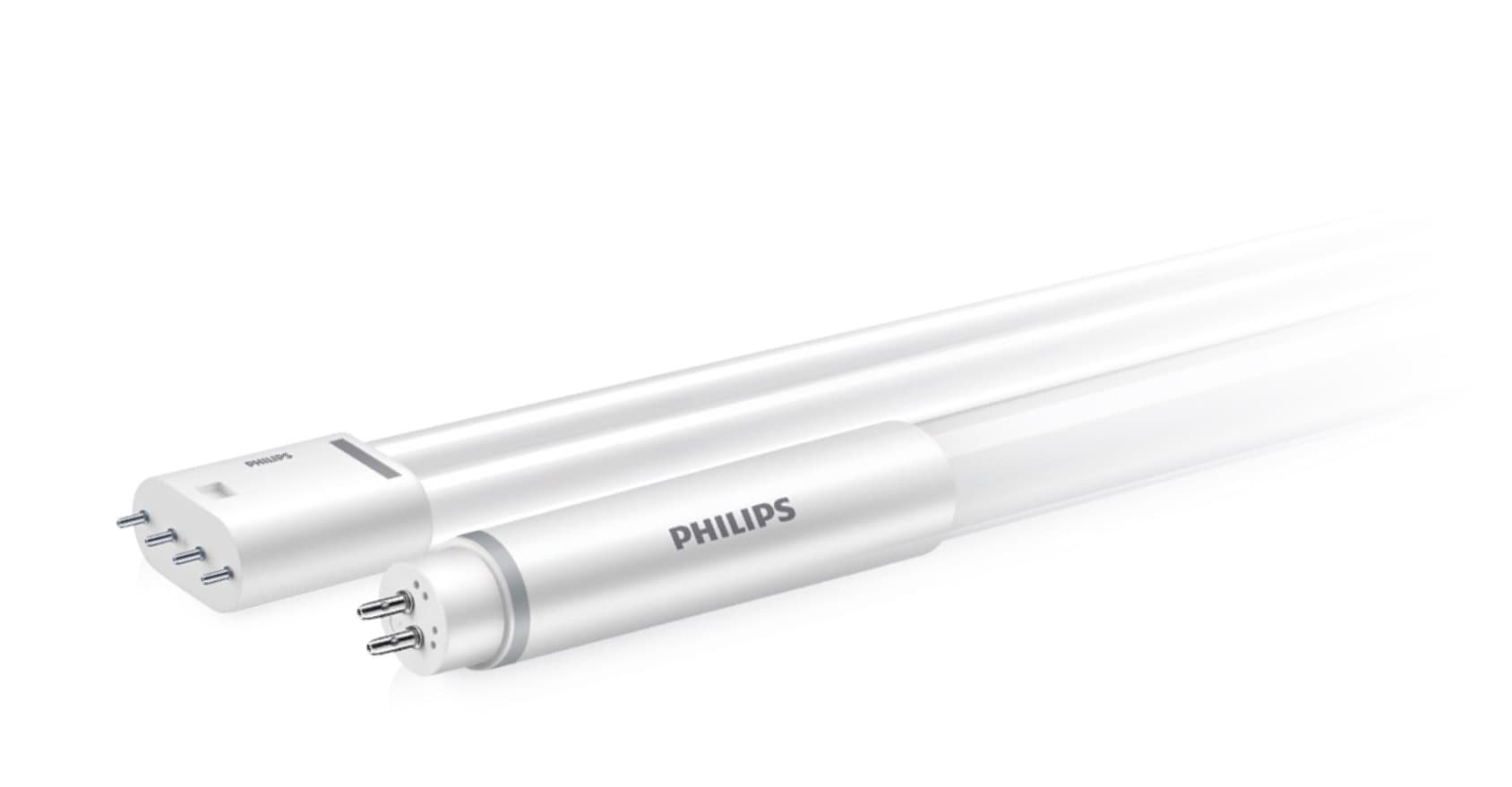
Minnesota's Fluorescent Lamp Ban Is Here — What St. Paul Operators Need to Know
Minnesota has officially completed its phased transition away from fluorescent lighting under the state's Clean Lighting legislation. For commercial building operators across St. Paul and the broader Twin Cities metro, the deadline is no longer on the horizon — it has arrived.
As of January 1, 2026, the sale, distribution, or offer for sale of pin-based linear fluorescent lamps — including the T5, T8, and T12 tubes found in the vast majority of commercial, institutional, and industrial facilities — is prohibited in Minnesota. This follows Phase 1 of the ban, which took effect January 1, 2025, restricting screw- and bayonet-base compact fluorescent lamps (CFLs).
Building operators may continue using existing lamp inventory, but once those lamps burn out, replacements cannot be purchased. There are no broad commercial exemptions. For facilities that have not yet begun planning their LED transition, the clock is now running.
Why This Ban Matters for St. Paul's Commercial Landscape
St. Paul is home to a remarkably diverse commercial and institutional building stock. From the office towers and government buildings along Kellogg Boulevard to the educational campuses of Macalester College, Metropolitan State University, and Saint Paul Public Schools, to the healthcare facilities, warehouses, and retail corridors stretching across neighborhoods like Midway, Frogtown, and the East Side — fluorescent lighting has long been the backbone of interior illumination throughout the city.
That same diversity means the impact of the fluorescent ban will be felt broadly. A school district managing dozens of classrooms lit with T8 tubes faces a very different planning challenge than a warehouse operator in Arden Hills or a retail property manager in Roseville or Maplewood. What these operators share, however, is the same regulatory reality: the supply chain for fluorescent replacement lamps is winding down, and contingency stockpiling is no longer a viable long-term strategy.
The practical implication is straightforward: when your fluorescent lamps fail — whether tomorrow or two years from now — there will be no compliant replacement available in Minnesota. Planning now, rather than reacting to a facilities emergency, is the smarter path forward.
What the LED Transition Actually Delivers
The fluorescent lamp ban is a regulatory mandate, but it also represents a genuine performance upgrade opportunity for facilities across greater St. Paul. The business case for LED conversion has matured significantly over the past decade, and today's LED systems offer advantages that go well beyond simple compliance.
Energy efficiency gains are substantial. LED lighting typically consumes up to 50% less energy than equivalent fluorescent systems. For a large office building, school, or multi-tenant commercial property in the metro, that reduction translates into meaningful utility savings over time — and Xcel Energy, the primary electric utility serving St. Paul and much of the Twin Cities metro, offers commercial lighting rebate programs that can offset a significant portion of upfront project costs.
Maintenance demands drop considerably. Fluorescent lamps require periodic relamping, ballast replacements, and fixture maintenance. LED systems carry lifespans two to three times longer than fluorescent alternatives, reducing the labor and material costs associated with routine upkeep. For facilities teams managing large building portfolios across St. Paul, Maplewood, Little Canada, or Shoreview, that reduction in ongoing maintenance activity adds up quickly.
Additional benefits of LED conversion include:
- Mercury-free design — fluorescent lamps contain mercury and are classified as hazardous waste, requiring careful disposal; LEDs eliminate that liability entirely
- Improved light quality — modern LED systems offer superior color rendering, more consistent illumination levels, and controllability that fluorescent systems simply cannot match
- Smart controls compatibility — LED fixtures integrate seamlessly with occupancy sensors, daylight harvesting systems, and building automation platforms, creating pathways to further energy savings
- Reduced carbon footprint — lower energy consumption and longer product lifespans contribute directly to sustainability goals increasingly expected by tenants, stakeholders, and public constituents
Planning Your Transition: Practical Guidance for Facility Managers and Building Owners
The fluorescent-to-LED transition is not a single decision — it is a project that benefits from deliberate planning. For building operators in St. Paul and the surrounding communities, here is how to approach it thoughtfully.
Audit Your Current Inventory First
Before committing to any product or approach, understand the scope of your situation. How many fluorescent fixtures do you operate? What lamp types — T5, T8, T12 — are currently installed? What is the condition of your ballasts? A thorough lighting audit establishes the baseline and informs both the technical specifications and the financial projections of your transition project.
Evaluate Your Conversion Options
There are two primary pathways for converting fluorescent fixtures to LED:
- Lamp-only retrofits — direct LED replacement lamps (sometimes called "plug-and-play" or "ballast-compatible" LEDs) can be installed in existing fluorescent fixtures, reducing upfront labor and hardware costs. However, this approach may leave aging ballasts in place, which can reduce long-term reliability.
- Full fixture replacement — replacing entire fixtures with LED luminaires eliminates ballast concerns, maximizes efficiency gains, and is often the better long-term investment for facilities with older infrastructure.
The right choice depends on fixture age, building use, and budget — and a qualified lighting professional can help you evaluate both paths for your specific facility.
Identify Rebate and Incentive Opportunities
Utility rebates can meaningfully reduce the net cost of an LED upgrade project. Xcel Energy's commercial efficiency programs are available to qualifying businesses and organizations in the St. Paul service territory, and navigating those applications requires understanding eligible products, project documentation requirements, and submission deadlines. Working with a contractor experienced in rebate management helps ensure you capture every dollar available.
For public agencies, school districts, and government entities in Ramsey County and across Minnesota, there are additional procurement pathways worth understanding. VOSS holds an approved state contract in Minnesota, simplifying the procurement process for public-sector organizations required to follow competitive purchasing protocols. Eligible organizations may also access VOSS services through cooperative purchasing programs including Sourcewell, TIPS, BuyBoard, Omnia Partners, AEPA, PACE, and others — streamlining the path from planning to project execution.
Prioritize by Risk and Impact
Not every fluorescent fixture needs to be replaced on the same timeline. A practical approach is to prioritize spaces where lamp failure would be most disruptive — operating areas, public-facing spaces, safety-critical zones — while scheduling lower-priority areas over a reasonable project horizon. This phased approach allows organizations to manage capital expenditures while systematically retiring fluorescent inventory before it becomes an emergency.
The Broader Context: LED Adoption Across the Twin Cities
St. Paul and Minneapolis are part of a metro area where commercial LED adoption has accelerated substantially over the past five years. The fluorescent lamp ban formalizes what market forces were already driving — a shift toward more efficient, longer-lasting, and more capable lighting technology.
Across the metro's diverse building types — from the historic commercial buildings of Lowertown and Summit Hill to the healthcare campuses of Roseville and Vadnais Heights to the industrial parks of Eagan and Inver Grove Heights — facilities teams are grappling with the same question: how do we manage this transition efficiently, cost-effectively, and with minimal disruption to operations?
The answer increasingly involves partnering with contractors who bring both technical depth and local market knowledge. Understanding which products perform in Minnesota's climate, which rebate programs are currently active, and how to structure projects around a facility's operational calendar requires experience that goes beyond catalog sales.
For more context on LED upgrade strategies, rebate navigation, and financial considerations, our Minneapolis LED Lighting Rebates article and the broader Fluorescent Tube Bans and LED Lighting Rebates resource in our Latest Lighting series offer additional depth on these topics.
Service Availability
While VOSS offers a comprehensive suite of national services, specific capabilities may vary by location. Please contact your local branch to confirm the current availability of specific services, technology solutions, or contracting capabilities in your immediate market.
Talk to VOSS About Your St. Paul Facility's Lighting Transition
With 85+ years of experience as a full-service commercial electrical contractor, VOSS brings both the technical expertise and local market knowledge to guide your fluorescent-to-LED transition from initial audit through project completion and rebate submission. Our Minneapolis branch serves St. Paul and communities throughout Ramsey, Dakota, Washington, and Hennepin counties.
If you manage a commercial building, school, government facility, healthcare campus, or industrial property in the St. Paul area and want to understand how the Minnesota fluorescent lamp ban applies to your specific situation — and what a smart LED transition plan looks like for your building — we invite you to start a conversation with our local team.
VOSS Minneapolis Branch Phone: (651) 697-1599 Toll-Free: (800) 776-8677