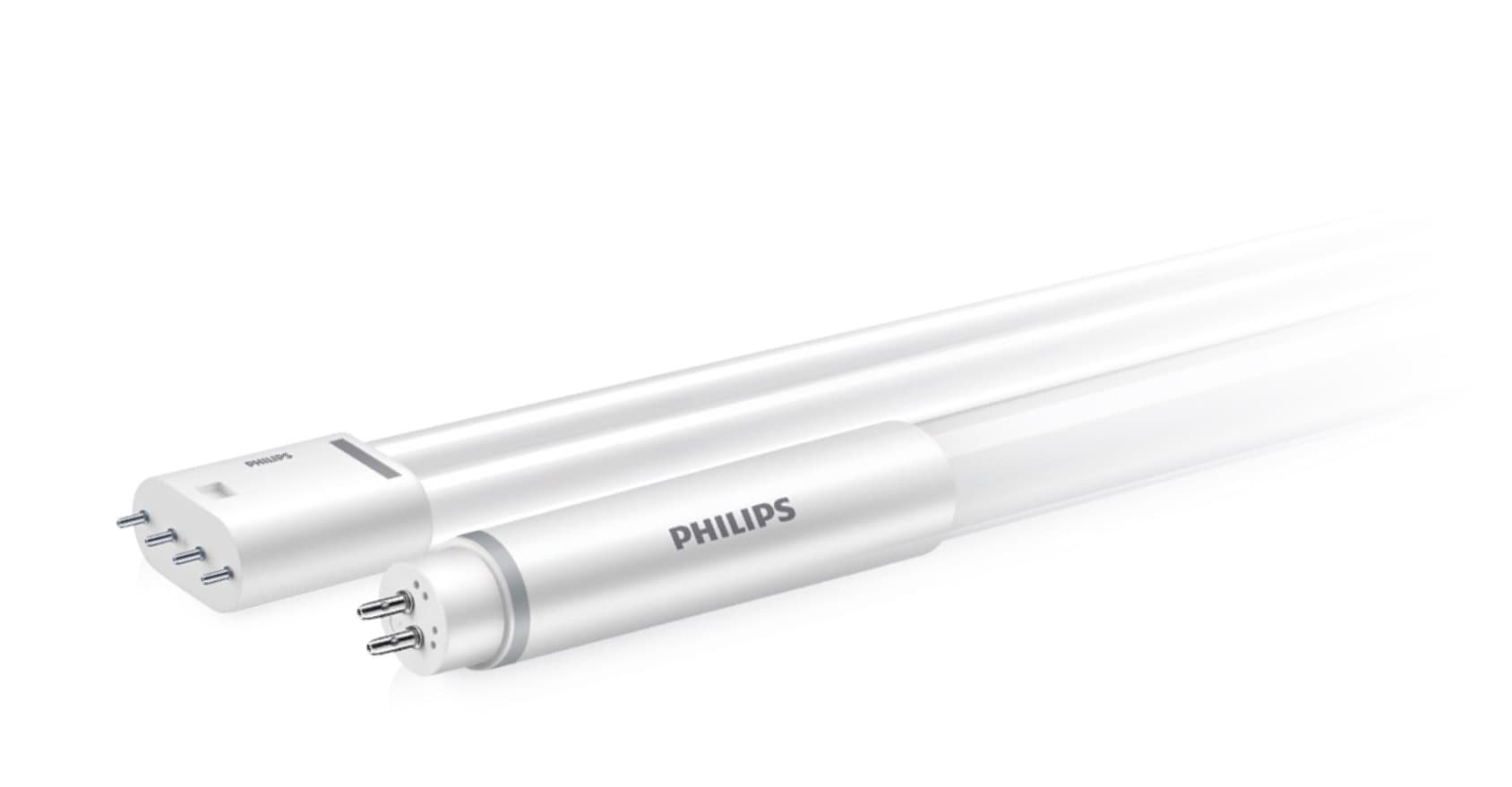
Minnesota's Clean Lighting Law Is No Longer on the Horizon — It's Here
For years, the transition away from fluorescent lighting has been a topic of conversation in facilities management circles across the Twin Cities metro. In Lakeville and throughout the Greater Minneapolis region, that conversation is now a mandate.
Minnesota's Clean Lighting legislation has officially phased out mercury-containing fluorescent lamps in two stages. Phase 1, effective January 1, 2025, banned screw- and bayonet-based compact fluorescent lamps (CFLs). Phase 2, effective January 1, 2026, extended that ban to pin-based linear fluorescent lamps — the T5, T8, and T12 tubes that light the majority of commercial offices, warehouses, schools, and retail spaces across Minnesota.
The law does not require you to immediately remove existing fluorescent lamps already installed and in use. However, it does prohibit the sale, offer for sale, or distribution of new fluorescent lamps. That means restocking your current fluorescent system is no longer a legal option. When a tube burns out, your replacement path leads to one place: LED.
What This Means for Lakeville's Commercial Buildings
Lakeville is one of the fastest-growing cities in Minnesota, with a population approaching 70,000 and a commercial corridor along Cedar Avenue and Dodd Boulevard that continues to expand southward from the broader Twin Cities metro. The city's mix of industrial parks, professional office campuses, retail centers, and public institutions — including Lakeville Area Schools and the city's municipal facilities — represents exactly the kind of building stock most affected by this legislation.
Neighboring communities including Apple Valley, Burnsville, Farmington, Rosemount, and Eagan face the same compliance reality. Across Dakota County and the southern metro, facility managers are reckoning with the same question: how do we transition efficiently, minimize disruption, and capture the most value from this required upgrade?
The good news is that LED technology has matured dramatically. The days of early LED retrofits — color inconsistencies, flicker complaints, premature failures — are largely behind us. Today's commercial-grade LED systems deliver superior light quality, significant energy savings, and lifespans that dramatically reduce the frequency of maintenance calls.
The Business Case Beyond Compliance: Why LED Is a Strategic Upgrade
Compliance is the floor, not the ceiling. While the ban removes the option to stay with fluorescent, the economics of LED make this transition genuinely attractive for facility operators and building owners thinking about long-term operating costs.
Energy and Operational Savings
- Up to 50% reduction in lighting energy consumption compared to legacy fluorescent systems
- 2–3x longer lamp lifespan, meaning far fewer replacement cycles and less labor spent on routine maintenance
- Mercury-free construction, simplifying disposal and reducing environmental liability — a meaningful consideration for facilities already navigating Minnesota's robust environmental compliance requirements
Light Quality and Occupant Experience
Modern LED systems also outperform fluorescent on the metrics that affect the people inside the building. Better color rendering supports productivity in office environments, more accurate product visibility in retail settings, and improved safety in warehouses and industrial spaces. For schools and public buildings, the upgrade to LED can meaningfully improve the learning and working environment.
Rebate Opportunities in the Greater Minneapolis Market
Minnesota has a well-developed utility rebate ecosystem for commercial lighting upgrades. Xcel Energy, which serves much of the Greater Minneapolis service territory including Lakeville and Dakota County, offers commercial lighting rebates that can meaningfully offset the cost of LED retrofit and replacement projects. A knowledgeable lighting contractor can help you identify which products and scopes qualify, navigate the application process, and structure the project to maximize your incentive return. For more detail on available rebates in this market, our Minneapolis LED Lighting Rebates page covers the local incentive landscape in depth.
A Practical Roadmap for Lakeville Building Operators
Transitioning a commercial facility from fluorescent to LED is not a single decision — it's a project with planning, phasing, and product selection considerations. Here is how we recommend approaching it:
1. Assess Your Current Inventory
Walk your facility and document the fluorescent lamp types and quantities currently in use — T8s in drop-ceiling troffers, T5HOs in open warehouse bays, pin-base CFLs in restrooms and corridors. Understanding your starting point shapes every decision that follows.
2. Evaluate Retrofit vs. Fixture Replacement
Not every fluorescent fixture needs to be replaced entirely. In many cases, a direct LED tube retrofit — replacing the fluorescent lamp with a compatible LED tube in the existing fixture — is a cost-effective first step. In other cases, replacing aging or outdated fixtures entirely with new LED luminaires delivers better performance and longer-term savings. The right answer depends on fixture age, condition, and the performance goals you're trying to achieve.
3. Prioritize High-Usage, High-Cost Spaces First
Spaces that run lights the most — warehouse floors, production areas, 24/7 retail environments, common areas in multi-tenant buildings — deliver the fastest payback on LED investment. Starting there maximizes both compliance progress and financial return.
4. Align Your Project with Available Rebates
Timing your project and selecting qualifying products with rebate eligibility in mind can significantly reduce net project cost. An energy-efficient lighting upgrade in Lakeville or the surrounding Dakota County communities should account for available Xcel Energy commercial rebates from the outset — not as an afterthought.
5. Plan for Smart Controls Integration
LED systems are inherently compatible with lighting controls — occupancy sensors, daylight harvesting, scheduling, and dimming — in ways that fluorescent systems were not. If your facility is moving toward broader building automation or energy management goals, the LED transition is a natural integration point. Our Energy Audits, Incentives, and Rebate Navigation for Businesses article explores how lighting fits into a comprehensive energy strategy.
Public Sector and Educational Facilities: Procurement Made Easier
For Lakeville Area Schools, Dakota County government facilities, city municipal buildings, and other public-sector operators in the region, the transition to LED carries the same compliance obligations as the private sector — but procurement can look different.
VOSS holds an approved state contract in Minnesota, which means government agencies and educational institutions can source LED lighting products and services through a compliant, pre-vetted contracting vehicle without a standalone bidding process. In addition, VOSS participates in a range of cooperative purchasing programs available to eligible public-sector organizations, including Sourcewell, AEPA, BuyBoard, TIPS, Omnia Partners, and PACE, among others.
For public facility managers navigating both compliance deadlines and procurement requirements, these vehicles simplify the path forward considerably.
Service Availability
While VOSS offers a comprehensive suite of national services, specific capabilities may vary by location. Please contact your local branch to confirm the current availability of specific services, technology solutions, or contracting capabilities in your immediate market.
Talk to a Lighting Expert in the Minneapolis Market
VOSS has been serving commercial, industrial, and institutional facilities across the United States for more than 85 years. Our Minneapolis branch team works with building operators throughout Lakeville, Apple Valley, Burnsville, Eagan, Farmington, Rosemount, and the broader Dakota County region — helping them navigate compliance requirements, identify rebate opportunities, and execute LED transitions that deliver measurable, lasting results.
If you're managing a facility in the Greater Minneapolis area and want to understand what Minnesota's fluorescent lamp ban means for your specific building, we welcome the conversation.
VOSS — Minneapolis Branch
Phone: (651) 697-1599 Toll-Free: (800) 776-8677