The Quiet Burden Behind Beautiful Sanctuaries
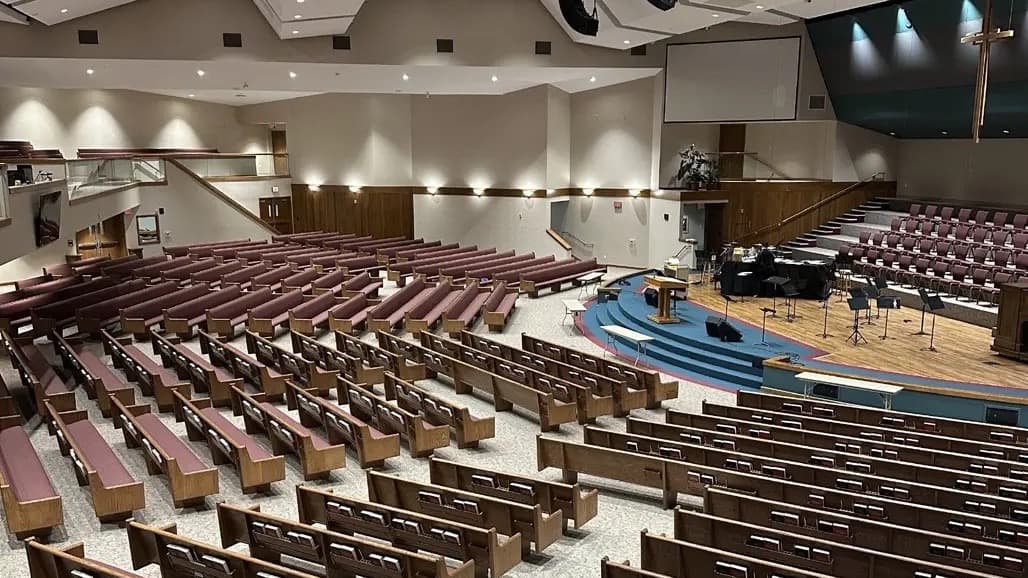
Walk into nearly any established church in Gilbert or the broader East Valley — Mesa, Chandler, Queen Creek, or Tempe — and you'll find stunning sanctuary spaces designed to inspire. Soaring ceilings, decorative fixtures, and carefully crafted atmospheres all serve a spiritual purpose. But behind that beauty, facility managers and maintenance supervisors often carry a quiet burden that few in the congregation ever see: the relentless upkeep of aging, inefficient, and difficult-to-access lighting systems.
Gilbert is one of the fastest-growing cities in the United States, with a population approaching 290,000 and a faith community to match. The region is home to hundreds of congregations — from megachurches with multi-building campuses to historic neighborhood parishes — and virtually all of them share common lighting challenges that have intensified as energy costs rise and traditional lamp technologies age out. Understanding those challenges, and the modern solutions now available, is the first step toward making informed decisions for your facility.
This article is part of VOSS's ongoing Latest Lighting series, which covers topics ranging from energy-efficient church lighting upgrades and LED rebate navigation to commercial outdoor lighting and EV charging infrastructure. Our goal throughout this series is to equip facility leaders with the knowledge to make confident, cost-effective decisions.
Why Sanctuary Lighting Is a Uniquely Complex Maintenance Challenge
Sanctuary lighting isn't like lighting a warehouse or an office. The demands are multi-layered — aesthetic, functional, and logistical — and the consequences of getting it wrong are felt by everyone in the room, every week.
The access problem. Many sanctuaries feature vaulted or cathedral ceilings ranging from 20 to 50 feet or more. Replacing a single burned-out bulb may require renting scaffolding, coordinating with a lift operator, and temporarily disrupting the sanctuary space — sometimes for days. In a facility that hosts multiple services, midweek programs, funerals, weddings, and community events, that disruption carries real operational and relational costs.
The ballast and compatibility problem. Older fluorescent and HID fixtures rely on ballasts that degrade over time. As ballasts fail, flickering and dimming become chronic problems. Compounding this, many churches that have attempted partial LED retrofits discover that their existing dimmers and control systems are incompatible with newer lamp technologies — creating frustrating, unstable results.
The video and livestream problem. The COVID-19 pandemic permanently changed how churches think about their sanctuaries. Congregations across the Phoenix metro — including communities throughout Gilbert, Chandler, and the surrounding East Valley — accelerated investments in livestreaming and video production. Lighting that was adequate for an in-person audience is often wholly inadequate for cameras. Uneven light distribution, color temperature inconsistencies, and flickering invisible to the human eye can render a professional camera feed unusable.
The energy cost problem. Arizona's desert climate means cooling loads are already substantial. Sanctuary lighting systems that generate excessive heat — traditional incandescent, halogen, or older HID fixtures — add meaningfully to HVAC demand during the state's long, intense summers. For a large sanctuary running multiple services per week, the cumulative energy cost of outdated lighting is significant and ongoing.
What Modern LED Retrofits Actually Deliver for Church Facilities
The lighting industry has matured considerably in the past decade, and LED technology now offers a genuinely compelling case for houses of worship — not just on paper, but in day-to-day facility management terms.
Dramatically extended lamp life. Quality LED fixtures rated for 50,000 hours or more can reduce bulb replacement frequency from multiple times per year to once per decade or longer. For facilities with high ceilings where every lamp change requires specialized access equipment, this translates directly into fewer disruptions, lower labor costs, and less risk to staff and volunteers.
Consistent, controllable light quality. Modern LED systems support precise dimming, color temperature tuning, and scene programming. A sanctuary can shift seamlessly from a bright, vibrant Easter morning atmosphere to a quieter, warmer tone for an intimate midweek service — all from a single control panel or tablet. For churches with active video ministries, proper color rendering index (CRI) and consistent lumen output make a meaningful difference in production quality.
Lower operating costs in the Arizona climate. LED fixtures convert a much higher percentage of energy into light rather than heat, which reduces both electricity consumption and the supplemental cooling required to compensate for thermal output. In a Phoenix-area summer, that thermal reduction is not a minor footnote — it's a measurable operational benefit.
Reduced maintenance burden on staff and volunteers. Perhaps most importantly for facility managers overseeing lean teams, fewer lamp failures and more reliable systems mean fewer emergency responses, fewer vendor calls, and more predictable maintenance schedules.
Key Considerations Before Upgrading Your Sanctuary Lighting
Not all LED upgrades are created equal, and the decisions made upfront determine whether a project delivers its promised benefits. Here are the factors that experienced facility managers in the Greater Phoenix area consistently find most important:
- Fixture compatibility and retrofit versus full replacement. Many sanctuary fixtures can accommodate LED retrofits rather than requiring full replacement — a more cost-effective path. However, some older fixtures, particularly those with incompatible housings or ballasts, perform better with complete replacements. A thorough assessment before procurement prevents costly mid-project surprises.
- Dimmer and control system compatibility. LED lamps require LED-compatible dimmers. If your sanctuary's dimming system was installed for incandescent or fluorescent sources, it may need to be upgraded as part of the project. Skipping this step is one of the most common causes of flickering and performance issues in partial retrofits.
- Historic and aesthetic preservation. Many faith communities in Gilbert and across the East Valley have sanctuary spaces with architectural or historic significance. Lighting upgrades must respect the character of these spaces — both the fixtures themselves and the quality of light they produce. Working with contractors who understand these sensitivities is essential.
- Phased project planning. Budget realities mean that many congregations cannot upgrade an entire campus in a single project. A well-designed phased plan — prioritizing the sanctuary, then fellowship halls, then exterior and parking areas — allows for meaningful progress while managing cash flow responsibly.
- Rebate and incentive opportunities. Arizona utility providers offer energy efficiency rebates for qualified LED upgrades. Navigating these programs requires documentation and project sequencing — and missing the filing window can mean leaving significant money on the table. Our sibling article on Maximize ROI with Commercial LED Lighting Rebates covers this process in detail and is worth reviewing before finalizing any project budget.
Procurement Options for Houses of Worship and Public Organizations
For faith communities and nonprofit organizations exploring funding and procurement pathways, cooperative purchasing programs can provide a meaningful advantage — offering pre-negotiated pricing, compliance assurance, and streamlined procurement processes.
VOSS participates in several cooperative purchasing programs available to eligible organizations, including Houston Church COOP — a program specifically designed for houses of worship — as well as TIPS, Sourcewell, BuyBoard, Omnia Partners, AEPA, PACE, and Nebraska ESU Co-Op. These vehicles allow qualifying organizations to access VOSS's products and services without the time and cost of a separate bid process.
For Arizona public agencies, VOSS holds an approved Arizona state contract, giving government facilities and eligible public organizations a compliant, efficient path to lighting upgrades and electrical services.
Service Availability
While VOSS offers a comprehensive suite of national services, specific capabilities may vary by location. Please contact your local branch to confirm the current availability of specific services, technology solutions, or contracting capabilities in your immediate market.
Talk With Our Phoenix Team About Your Sanctuary
VOSS's Phoenix branch serves congregations throughout Gilbert, Mesa, Chandler, Scottsdale, Tempe, Peoria, and communities across the greater Phoenix metro. Our team understands the specific demands of Arizona's climate, the pace of growth in the East Valley, and the real-world constraints that church facility managers navigate every week.
If your sanctuary is experiencing flickering lights, frequent bulb failures, uneven illumination, or energy costs that seem out of proportion to your usage, we'd welcome the opportunity to walk through the options with you — without pressure, and with a focus on what actually makes sense for your facility and your budget.
VOSS — Phoenix Branch
Phone: (602) 340-9500 Toll-Free: (800) 788-8676
Reach out to start a conversation about your sanctuary lighting — we're here to help you find a path forward that serves your congregation well for years to come.