Minnesota's Fluorescent Lamp Ban Is Now in Full Effect
Commercial building operators across Minnesota have been navigating a significant regulatory shift — and for many facilities in Bloomington, Eden Prairie, Richfield, and the broader Greater Minneapolis metro, the deadline is no longer on the horizon. It has arrived.
Under Minnesota's Clean Lighting legislation, the state has enacted a two-phase ban on the sale, distribution, and offer for sale of mercury-containing fluorescent lamps:
- Phase 1 (effective January 1, 2025): Bans screw- or bayonet-based compact fluorescent lamps (CFLs)
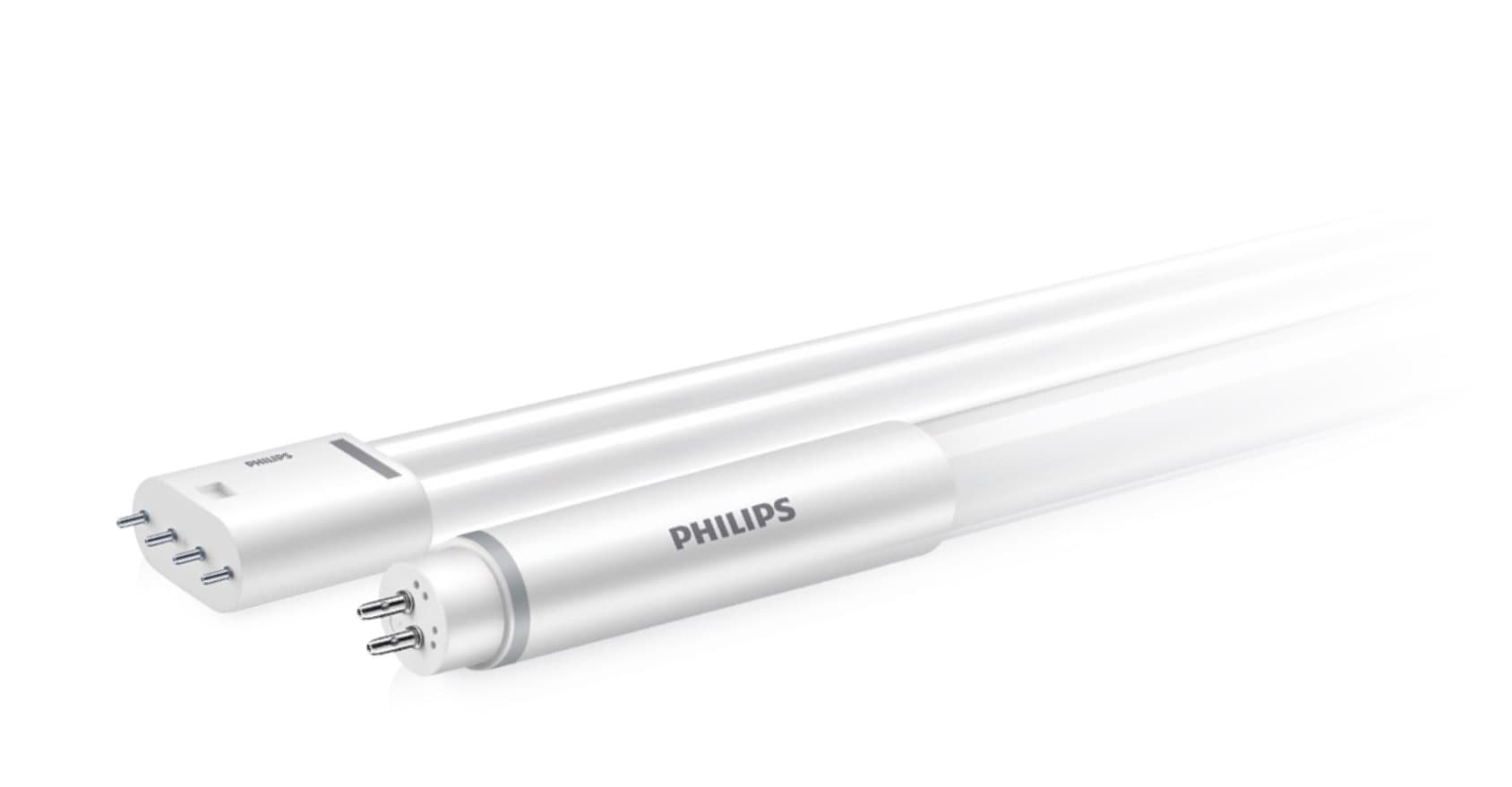
- Phase 2 (effective January 1, 2026): Bans pin-based linear fluorescent lamps — including the T5, T8, and T12 tubes that remain ubiquitous in commercial buildings — as well as pin-based CFLs
The core implication for facilities teams is straightforward but significant: you can continue using existing fluorescent inventory until it runs out, but you cannot purchase new fluorescent lamps to replenish your stock. There are no broad commercial exemptions. When your current supply is depleted, the path forward is LED.
Why This Matters for Bloomington's Commercial Sector
Bloomington is one of the Twin Cities metro's most commercially active communities. The city anchors major retail, hospitality, corporate, and office activity — from the Mall of America corridor along 24th Avenue South to the dense office parks lining I-494 and the commercial clusters stretching toward Normandale Lake. Facilities in these environments often operate tens of thousands of square feet of fluorescent-lit space, from parking structures and conference rooms to warehouses and retail floors.
For facility managers overseeing these properties — as well as their counterparts in nearby Edina, Burnsville, and Eagan — the ban creates a practical operations challenge. Fluorescent lamps burn out. Ballasts fail. Maintenance calls accumulate. Without the ability to restock fluorescent replacements, every future lamp failure is a trigger event that demands a longer-term solution.
The good news: that solution, LED lighting, is not a compromise. It is a measurable upgrade.
What LED Conversion Delivers for Commercial Operators
The transition away from fluorescent lighting is not simply a compliance exercise — it is one of the highest-return infrastructure investments available to commercial building operators today. LED technology has matured dramatically over the past decade, and modern commercial-grade fixtures offer performance and economics that fluorescent systems simply cannot match.
Here is what facility managers and operations leaders in the Bloomington market can realistically expect from a well-executed LED retrofit:
- Up to 50% reduction in lighting energy consumption compared to standard fluorescent systems
- 2–3x longer lamp lifespan, dramatically reducing the frequency of re-lamping and associated labor costs
- Mercury-free design, eliminating the hazardous waste disposal requirements and compliance burden associated with fluorescent lamps
- Improved light quality — better color rendering, more consistent output, and reduced flicker that affects occupant comfort and productivity
- Compatibility with lighting controls, including occupancy sensors, daylight harvesting, and dimming systems that further reduce energy use
For CFOs and operations executives evaluating capital investments, the energy savings alone often produce compelling payback periods — and when combined with available utility rebates and incentive programs, the financial case strengthens further. For public-sector facilities in Bloomington, including municipal buildings, schools, and government offices, VOSS holds an approved Minnesota state contract, making procurement straightforward and fully compliant. Eligible organizations may also access cooperative purchasing programs including Sourcewell, TIPS, BuyBoard, AEPA, Omnia Partners, PACE, and others — simplifying the contracting process without sacrificing quality or value.
How to Approach the Transition Strategically
Not every building requires the same approach, and a thoughtful transition plan can make the difference between a disruptive, costly overhaul and a smooth, phased upgrade that fits your operational and budget cycles. Here are the strategic considerations that experienced facility teams in the Greater Minneapolis area are working through right now:
Conduct a Lamp and Fixture Inventory Before any procurement decisions are made, building operators should have a clear picture of what fluorescent equipment they currently operate — lamp types, quantities, fixture ages, and ballast conditions. This baseline informs both the scope of the project and the priority sequencing.
Evaluate Retrofit vs. Full Fixture Replacement In many commercial buildings, direct LED tube retrofits (sometimes called plug-and-play or ballast-bypass LEDs) can replace existing fluorescent tubes without changing the fixture housing. In older buildings with aging ballasts, full fixture replacement may deliver better long-term economics. A qualified lighting contractor can assess which approach makes sense for your facility.
Identify Rebate and Incentive Opportunities Xcel Energy, which serves much of the Bloomington and Greater Minneapolis market, offers commercial lighting rebates that can meaningfully offset the cost of LED upgrades. Navigating these programs — identifying eligible products, completing applications, and coordinating with utilities — is a process that benefits from experienced guidance. Our Minneapolis LED Lighting Rebates page covers the local incentive landscape in greater detail for Twin Cities facility operators.
Plan for Phased Implementation For larger facilities or multi-building portfolios, phased rollouts allow organizations to manage capital expenditure while progressively eliminating fluorescent dependency. Priority areas might include spaces with the highest lamp density, the most maintenance calls, or the greatest occupant visibility.
Consider Lighting Controls as Part of the Project LED's compatibility with advanced controls systems is one of its most underutilized advantages. Building operators who pair an LED retrofit with occupancy sensors, scheduling systems, or daylight-responsive dimming often achieve energy reductions that far exceed the lamp swap alone.
The Broader Context: LED as a Long-Term Infrastructure Investment
Minnesota's fluorescent ban is part of a national trend. Multiple states have enacted or are enacting similar restrictions, and federal efficiency standards continue to evolve. The commercial lighting industry has effectively completed its transition — LED is now the dominant technology across virtually every application category, from office troffers and warehouse high-bays to outdoor site lighting and parking structures.
For building operators in Bloomington and across the southern Twin Cities metro, this moment is less about reacting to a regulatory deadline and more about making a long-term infrastructure decision that pays dividends for years. Facilities that complete thoughtful LED transitions today will spend less on energy, less on maintenance, and less on compliance management — while providing better environments for the people who work, shop, learn, and gather inside them.
Our Fluorescent Tube Bans and LED Lighting Rebates page provides broader national context on similar state-level legislation, and our Minneapolis LED Lighting Rebates page details the specific incentive programs available to Twin Cities area organizations.
Service Availability
While VOSS offers a comprehensive suite of national services, specific capabilities may vary by location. Please contact your local branch to confirm the current availability of specific services, technology solutions, or contracting capabilities in your immediate market.
Talk With Our Minneapolis Team About Your Facility
VOSS has served the Minnesota commercial market for decades, and our Minneapolis branch team brings deep familiarity with the regulatory landscape, utility programs, and facility types that define this region. Whether you are managing a single commercial building in Bloomington or overseeing a portfolio of properties across the southern metro, we are ready to help you think through a transition strategy that fits your timeline, your budget, and your operational priorities.
We invite you to reach out for a no-obligation conversation about how the fluorescent lamp ban affects your specific facility — and what a smart LED transition could look like for you.
VOSS Minneapolis Branch Phone: (651) 697-1599 Toll-Free: (800) 776-8677