Minnesota's Fluorescent Lamp Ban Is Here — And Blaine Businesses Must Respond
Minnesota's Clean Lighting legislation represents one of the most consequential shifts in commercial facility management in recent years. As of January 1, 2026, the state's phased fluorescent lamp ban is fully in effect, prohibiting the sale, distribution, or purchase of mercury-containing fluorescent lamps statewide. For the thousands of businesses, schools, and public facilities operating in Blaine and across the northern Twin Cities metro, this isn't a distant regulatory headline — it's a present operational reality.
The ban unfolded in two stages:
- Phase 1 (effective January 1, 2025): Prohibits screw- or bayonet-based compact fluorescent lamps (CFLs)
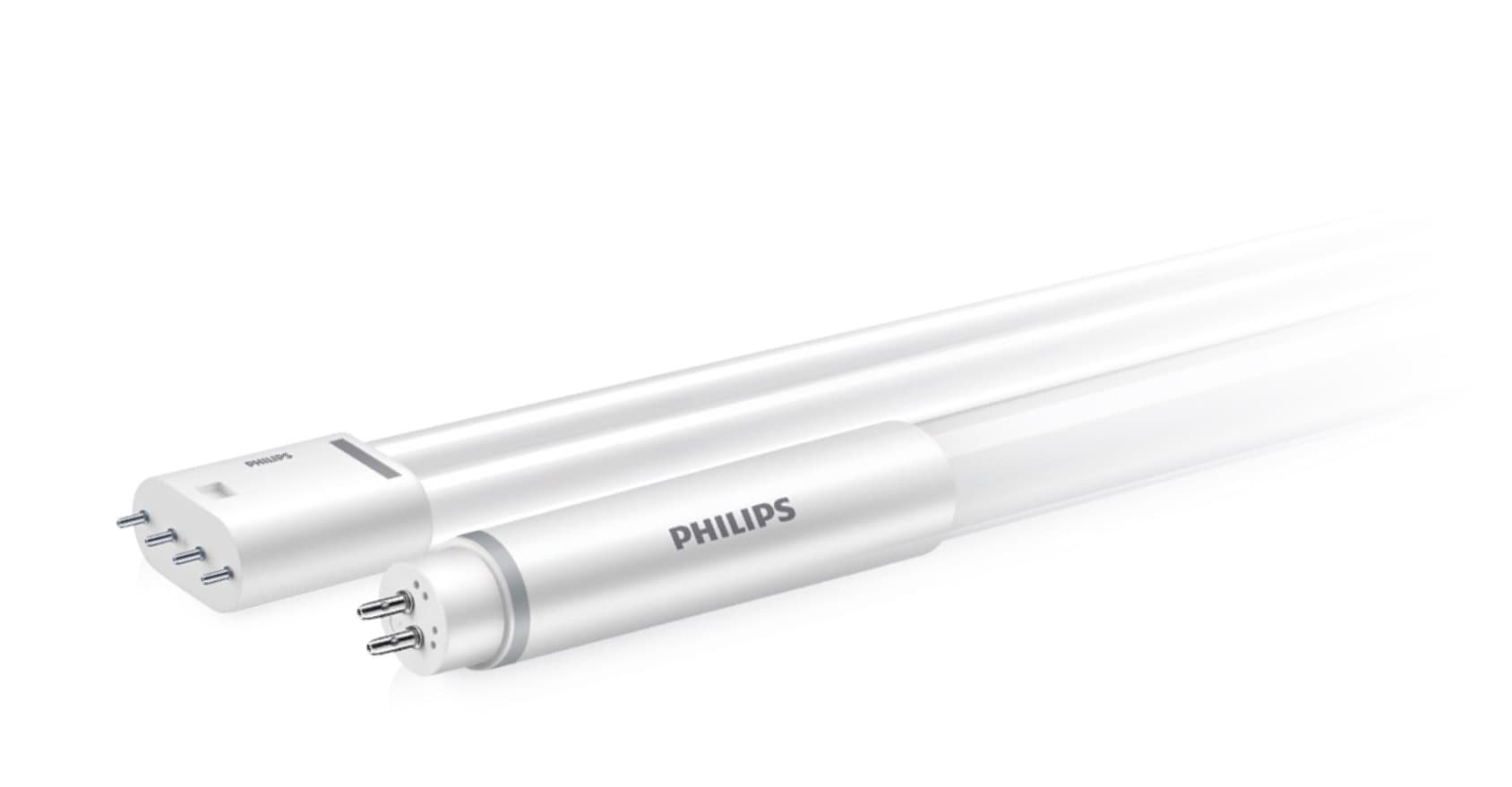
- Phase 2 (effective January 1, 2026): Prohibits pin-based linear fluorescent lamps — including the widely used T5, T8, and T12 tube formats — as well as pin-based CFLs
Facilities may continue using existing inventory already on-hand, but no new fluorescent lamps can be purchased or restocked. That means the traditional strategy of simply ordering replacement bulbs when they burn out is no longer available. Planning ahead is no longer just smart practice — it's necessary.
Why This Matters Specifically in Blaine and the Northern Metro
Blaine's commercial landscape is a microcosm of the broader compliance challenge facing Minnesota. The city of roughly 70,000 residents has grown into one of the region's most active commercial corridors, anchored by the National Sports Center — the largest amateur sports facility in the world — as well as a dense concentration of retail, light industrial, warehouse, and professional office space along Highway 65 and Lexington Avenue.
Across these facility types, fluorescent lighting has historically been the dominant technology. Warehouses and light industrial operators north of the metro — from Blaine and Coon Rapids to Ham Lake and Andover — have relied on T8 and T12 linear fluorescents for decades. Retail centers and office parks throughout this corridor are in a similar position. The net effect is that a significant share of Blaine's commercial square footage is now operating with lighting technology that cannot legally be replenished.
The regulatory pressure is compounded by practical urgency: fluorescent lamps fail unpredictably, and without the ability to restock, a burned-out fixture is no longer a minor maintenance task. It's the beginning of a forced retrofit — on an unplanned timeline and potentially at higher cost.
The Business Case for LED: Beyond Compliance
While regulatory compliance is the immediate driver, the long-term business case for LED conversion is compelling on its own terms. Facilities that treat this transition as a strategic upgrade — rather than a reactive fix — position themselves to capture meaningful operational and financial benefits.
Energy Efficiency LED technology consumes up to 50% less energy than equivalent fluorescent systems. For facilities with extended operating hours — distribution centers running overnight shifts, retail spaces with long daily hours, or schools and municipal buildings open evenings and weekends — that reduction translates directly into lower utility costs month over month.
Reduced Maintenance Burden LEDs carry a lifespan two to three times longer than fluorescent alternatives. For facility managers already stretched thin managing larger operational priorities, fewer lamp replacements mean fewer work orders, less ladder time, and lower labor costs. In large-footprint facilities — think warehouse bays, gymnasiums, or parking structures — the logistical savings alone can be substantial.
Mercury-Free Operation One of the core policy drivers behind Minnesota's Clean Lighting legislation is the environmental hazard posed by mercury in fluorescent lamps. LEDs contain no mercury, simplifying disposal and reducing environmental liability. This is particularly relevant for organizations with sustainability reporting obligations or environmental stewardship commitments.
Light Quality Improvements Modern LED systems offer superior color rendering, more consistent illumination, and better controllability than fluorescent technology. For retail environments, this translates to improved product presentation. For offices and schools, better light quality is associated with improved occupant comfort and productivity.
Financial Incentives and Procurement Pathways for Minnesota Organizations
The transition to LED doesn't have to be a budget shock. Several practical pathways exist to reduce the net cost of compliance for Blaine-area organizations.
Utility Rebate Programs Minnesota utilities offer rebate programs for qualifying LED upgrades. Working with a knowledgeable electrical contractor who understands how to identify, document, and submit for these incentives is one of the most effective ways to reduce project costs. Our Minneapolis LED Lighting Rebates resource covers this topic in detail and is worth reviewing alongside this guide.
State Contract and Cooperative Purchasing For government agencies, school districts, and other public entities in Blaine and surrounding Anoka County communities, VOSS holds an approved state contract in Minnesota, enabling compliant procurement without the need for a separate competitive bid process. Eligible organizations may also access cooperative purchasing programs including Sourcewell, TIPS, AEPA, BuyBoard, Omnia Partners, PACE, and others — providing a streamlined path to project delivery that satisfies public procurement requirements.
Phased Implementation Planning For organizations facing large-footprint conversions, a phased approach — prioritizing the highest-use spaces or those with the most aging fixtures — can distribute capital investment across budget cycles while immediately addressing the highest-risk areas. This is a common strategy for school districts, municipal facilities, and larger commercial operators.
Thinking Beyond the Lamp: Controls, Smart Systems, and Long-Term Value
The fluorescent ban creates a natural inflection point for a broader conversation about lighting infrastructure. A straight one-for-one lamp swap is the minimum viable response to compliance — but it's rarely the most strategic one.
Integrated lighting controls — including occupancy sensors, daylight harvesting, and networked dimming systems — can amplify the energy savings of an LED retrofit significantly. In spaces like office corridors, conference rooms, storage areas, and loading docks, occupancy-based controls routinely reduce lighting energy use by an additional 30 to 50 percent beyond the baseline LED savings.
For facility operators in Blaine overseeing multi-tenant commercial properties, distribution or manufacturing environments, or institutional campuses, this is worth exploring as part of a comprehensive energy and technology strategy rather than a simple lighting swap. Our broader resources on commercial LED lighting fixtures, commercial LED outdoor lighting, and energy audits and rebate navigation offer additional perspective on how these systems work together.
Service Availability
While VOSS offers a comprehensive suite of national services, specific capabilities may vary by location. Please contact your local branch to confirm the current availability of specific services, technology solutions, or contracting capabilities in your immediate market.
Talk to a Local Expert About Your Facility's Compliance Plan
The fluorescent lamp ban is now in effect, and the window for proactive planning is narrowing. Whether you manage a single commercial building in Blaine, oversee a portfolio of properties across the northern Twin Cities corridor, or operate a public facility in Anoka County, our Minneapolis team is ready to help you understand your options and build a plan that fits your timeline and budget.
VOSS has served commercial and institutional clients across the Minnesota market for decades, and we understand the specific operational, financial, and regulatory pressures that building operators in this region face. We'd welcome the opportunity to walk through your facility's current lighting inventory, identify compliance gaps, and explore upgrade pathways — including available rebates and cooperative purchasing options — at no obligation.
VOSS — Minneapolis Branch Phone: (651) 697-1599 Toll-Free: (800) 776-8677
Reach out to schedule a consultative conversation with our local team. We're here to help you navigate the transition with confidence.